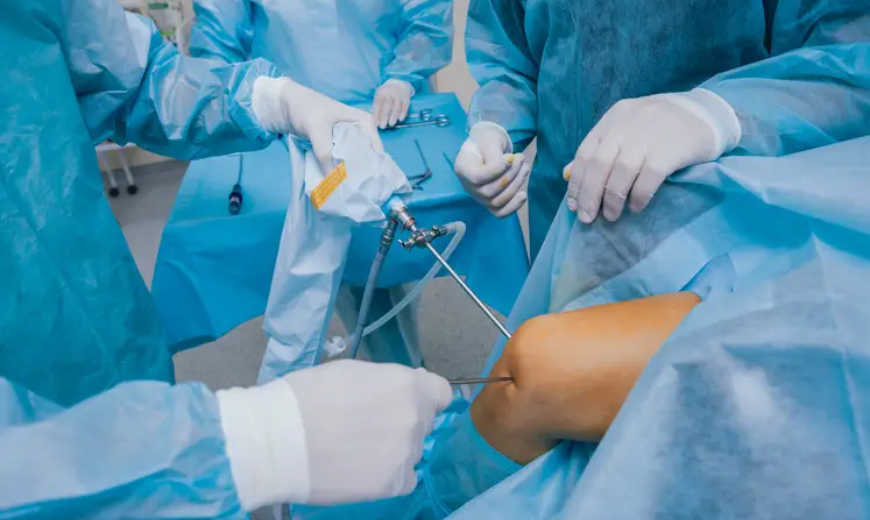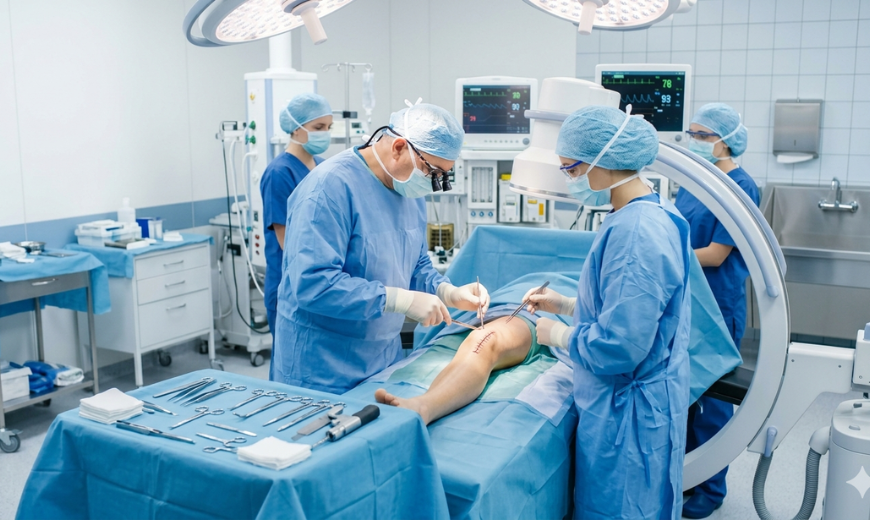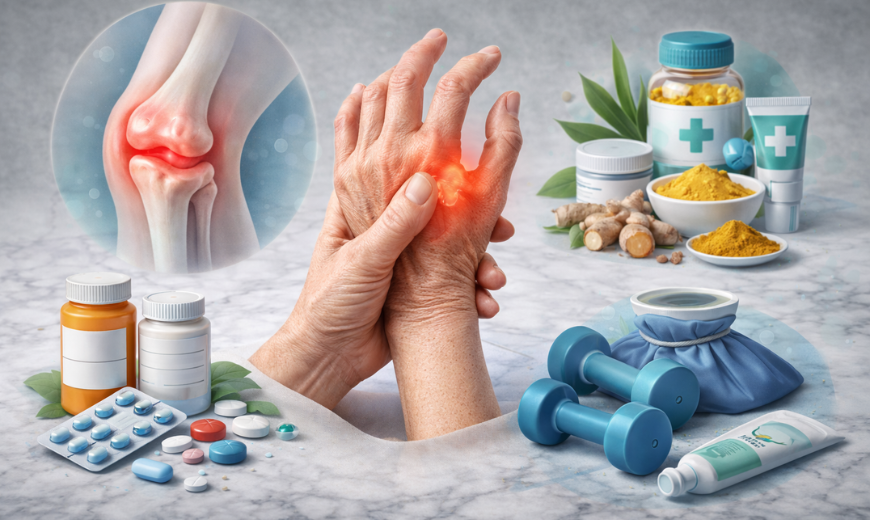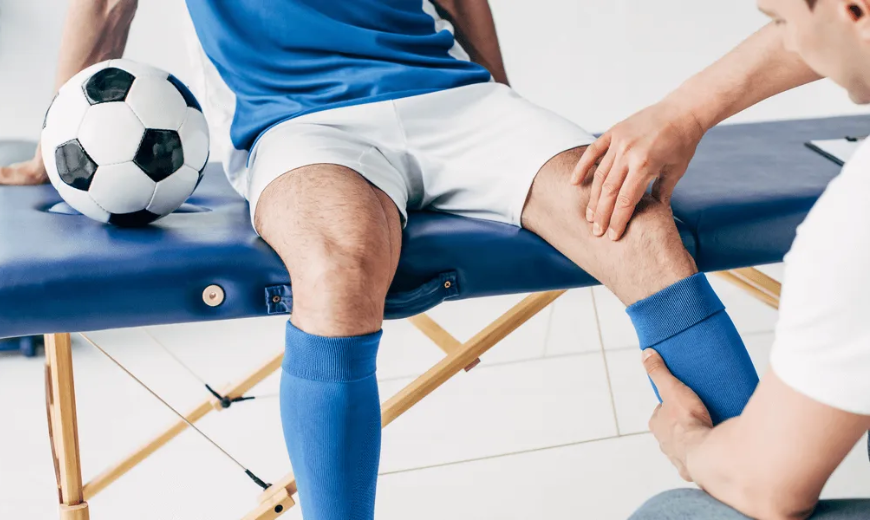



Successful surgery is only the beginning of the healing journey. The quality and consistency of post-operative rehabilitation significantly influence long-term outcomes, functional recovery, and overall patient satisfaction. A well-structured rehabilitation program helps patients return to normal life safely, efficiently, and with greater confidence.
We offer a comprehensive, multidisciplinary rehabilitation approach that is carefully designed to support patients through every phase of recovery—from the immediate post-surgical period to full functional restoration.
Individualized Recovery Planning
Every patient receives a customized rehabilitation plan based on:
- Type and complexity of surgery
- Age and overall physical condition
- Pre-existing medical conditions
- Pain tolerance and healing response
- Occupational and lifestyle requirements
This personalized approach ensures safe progression without overexertion or delay in recovery.
Early Post-Operative Care (First Phase)
The initial phase focuses on stabilization and protection:
- Monitoring vital signs and surgical site condition
- Controlled movement to prevent stiffness
- Swelling and inflammation management
- Breathing exercises to improve lung function (especially after major surgeries)
- Safe positioning techniques to avoid strain on operated areas
Early intervention helps reduce complications and promotes faster healing.
Progressive Physiotherapy and Rehabilitation
As healing progresses, structured physiotherapy becomes the core of recovery:
- Range-of-motion exercises to restore joint flexibility
- Strength training for weakened muscles
- Balance and coordination exercises
- Gradual increase in activity levels under supervision
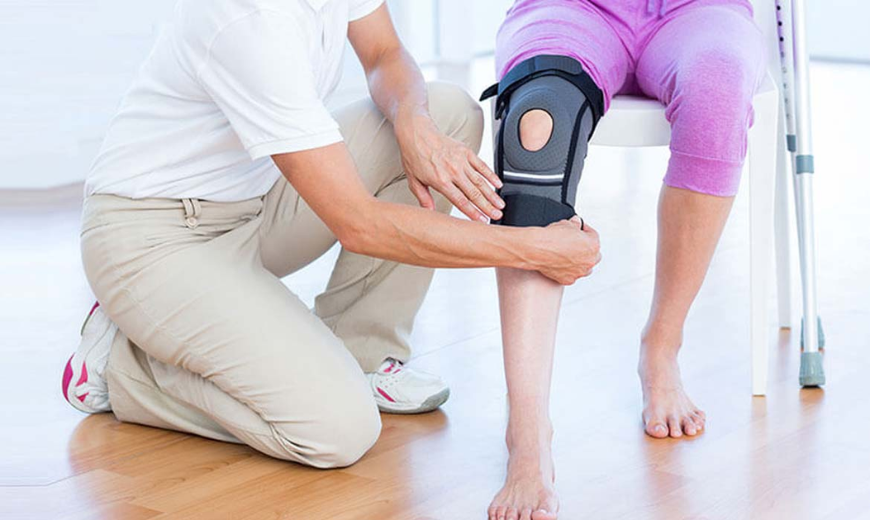
- Use of assistive devices when required (walker, cane, crutches)
Each stage is carefully monitored to match the patient’s recovery pace.
Pain and Discomfort Management
Effective pain control is essential for active rehabilitation:
- Medication-based pain management as prescribed
- Non-pharmacological methods such as ice/heat therapy
- Gentle manual therapy techniques when appropriate
- Posture correction and support to reduce strain
- Patient education on pain expectations during healing
This ensures patients can participate comfortably in recovery activities.
Mobility Restoration and Functional Training
The goal is to restore independence in daily life:
- Assisted to independent walking progression
- Stair-climbing practice when appropriate
- Sitting, standing, and transitional movement training
- Training for daily tasks such as dressing, bathing, and personal care
- Workplace readiness and activity simulation for returning to routine life
Continuous Monitoring and Clinical Follow-Up
Regular assessments help track recovery effectively:
- Wound healing evaluation
- Range of motion and strength measurements
- Identification of complications at an early stage
- Adjustment of therapy plans based on progress
- Coordination between surgeon, physiotherapist, and care team
Home-Based Rehabilitation Support
To ensure continuity of care outside the hospital:
- Detailed home exercise programs
- Written and visual instructions for exercises
- Guidance for caregivers and family members
- Advice on safe movement at home environment
- Lifestyle modifications for faster recovery
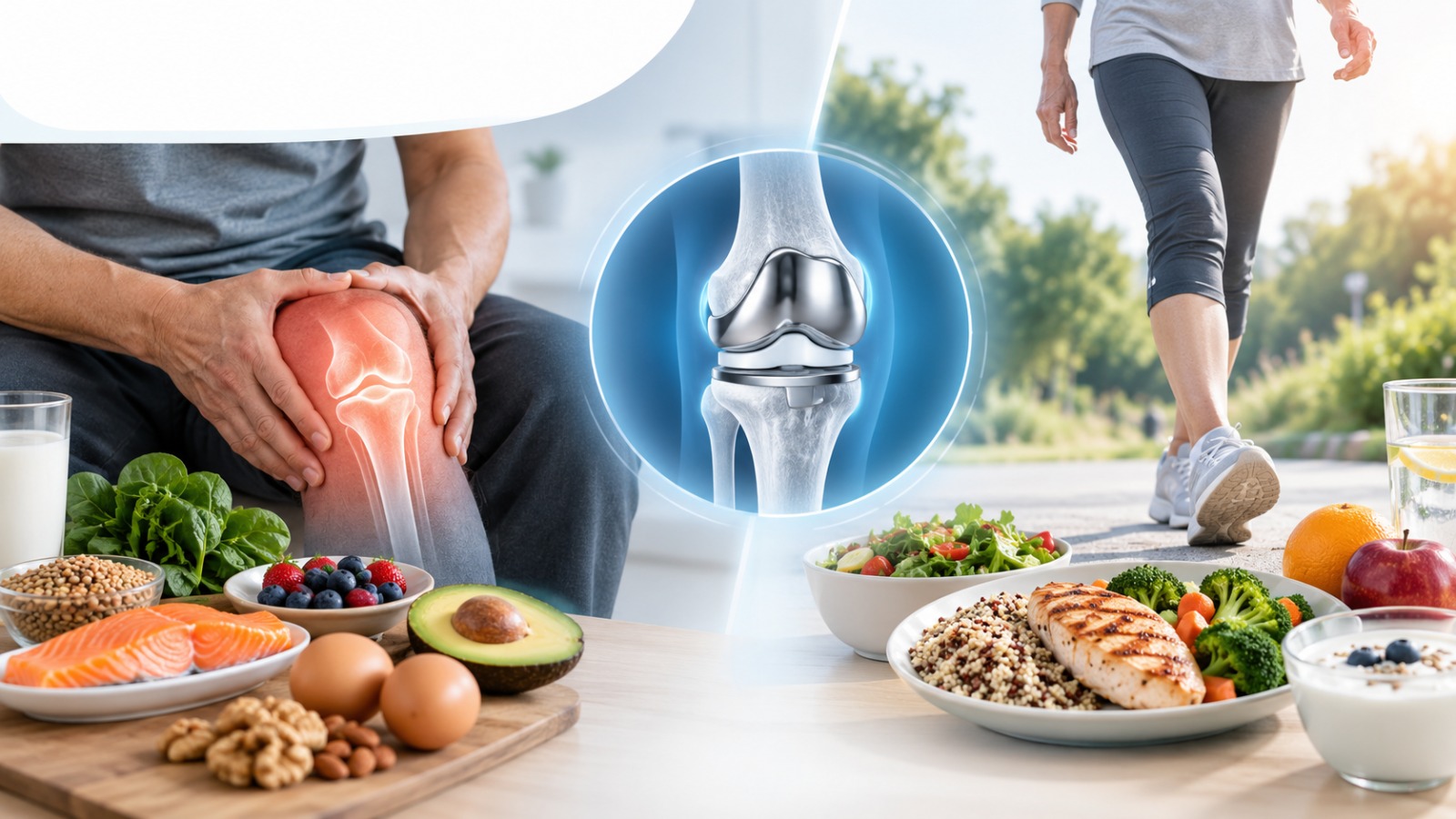
Nutrition and Healing Support
Proper nutrition plays a vital role in tissue repair:
- Protein-rich diet recommendations
- Hydration guidance
- Nutrients that support bone and muscle healing
- Dietary adjustments based on medical conditions (e.g., diabetes, hypertension)
- Supplement advice when clinically required
Prevention of Secondary Complications
Rehabilitation is also focused on avoiding post-surgical risks:
- Deep vein thrombosis (DVT) prevention through early movement
- Prevention of muscle wasting and joint stiffness
- Infection control awareness
- Scar management techniques
- Fall prevention strategies
Psychological Well-Being and Motivation
Recovery is both physical and emotional:
- Continuous encouragement and reassurance
- Stress and anxiety management support
- Goal-setting for short and long-term recovery milestones
- Building patient confidence in movement and independence
- Family involvement to improve emotional support
Long-Term Maintenance and Lifestyle Adaptation
Even after initial recovery, long-term care ensures lasting results:
- Maintenance exercise programs
- Advice on safe return to sports or physical work
- Ergonomic corrections for daily activities
- Periodic follow-ups for sustained health outcomes
- Prevention strategies for re-injury
Outcome-Focused Rehabilitation
This structured and holistic rehabilitation program is designed to ensure that patients achieve:
- Faster and safer recovery
- Improved strength and mobility
- Reduced risk of complications
- Better long-term surgical outcomes
- Restored independence and quality of life
Ultimately, our goal is not just healing after surgery—but complete functional recovery and renewed confidence in daily living.

.png)
.png)
.png)
.png)
.png)
.png)
.png)