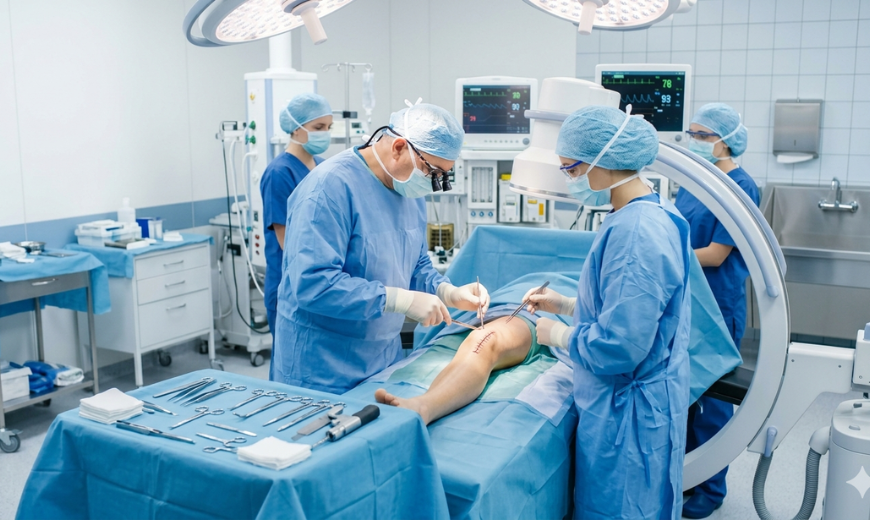



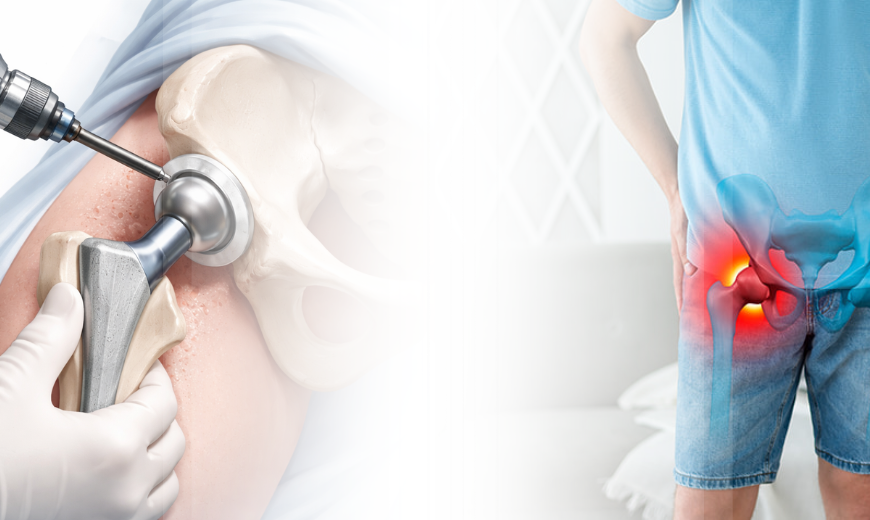
Hip replacement surgery, also known as hip arthroplasty, is a highly advanced and successful orthopedic procedure performed to relieve pain, restore function, and significantly improve the quality of life in patients suffering from severe hip joint damage. It is most commonly recommended when conservative treatments such as medications, injections, physiotherapy, and lifestyle modifications no longer provide adequate relief.
The procedure is widely performed for conditions such as:
- Osteoarthritis (age-related wear and tear of the joint)
- Rheumatoid arthritis (inflammatory joint disease)
- Avascular necrosis (AVN), where blood supply to the femoral head is disrupted
- Traumatic injuries such as hip fractures
- Post-traumatic arthritis
- Congenital or developmental hip disorders
Understanding the Hip Joint
The hip joint is one of the largest weight-bearing joints in the body. It is a ball-and-socket joint, where the femoral head (ball) fits into the acetabulum (socket) of the pelvis. This design allows a wide range of motion while maintaining stability. However, when the cartilage cushioning the joint wears away or the bone becomes damaged, it leads to pain, stiffness, reduced mobility, and difficulty in performing everyday activities such as walking, climbing stairs, or even sitting.
What Happens During Hip Replacement Surgery?
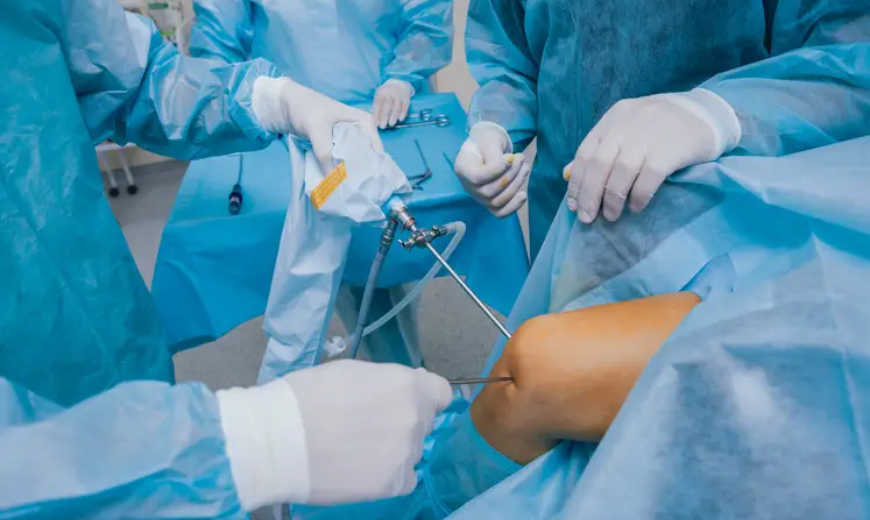
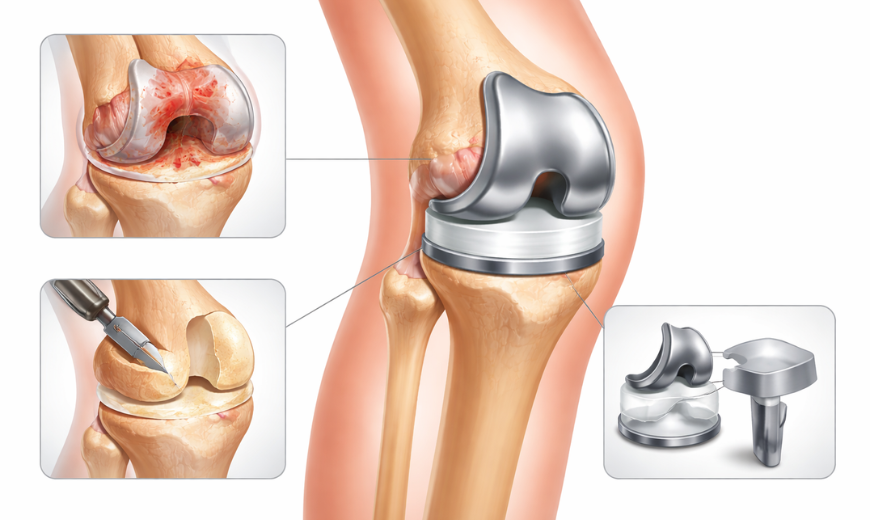
During hip replacement surgery, the damaged components of the hip joint are removed and replaced with artificial implants (prostheses) that are designed to replicate the natural anatomy and movement of the hip.
The procedure typically involves:
- Removal of the damaged femoral head
- Preparation of the acetabulum (hip socket)
- Placement of a prosthetic socket, often lined with a smooth surface for frictionless movement
- Insertion of a femoral stem into the thigh bone
- Attachment of an artificial ball to the stem, completing the new joint
These implants are made from high-quality, biocompatible materials such as metal alloys, ceramics, and highly cross-linked polyethylene, ensuring durability, strength, and long-term performance.
Types of Hip Replacement Procedures We Offer
We provide personalized treatment plans and offer the following surgical options:
Total Hip Replacement (THR)
This is the most common procedure, where both the ball and socket of the hip joint are replaced. It is ideal for patients with advanced arthritis or extensive joint degeneration and provides excellent long-term pain relief and mobility.
Partial Hip Replacement (Hemiarthroplasty)
In this procedure, only the femoral head (ball) is replaced. It is typically recommended for specific types of hip fractures, especially in elderly patients where the socket remains healthy.
Advanced Surgical Techniques
Our center emphasizes modern surgical innovations to enhance patient outcomes, including:
- Minimally invasive surgery (MIS) with smaller incisions
- Muscle-sparing approaches to reduce tissue trauma
- Computer-assisted or navigation-guided surgery (in select cases) for precise implant placement
- Use of advanced prosthetic designs for improved joint mechanics
These advancements help in faster recovery, reduced complications, and better long-term results.
Benefits of Hip Replacement Surgery
Patients undergoing hip replacement can expect transformative benefits, including:
- Significant or complete relief from chronic hip pain
- Improved joint mobility and flexibility
- Ability to walk, climb stairs, and perform daily activities with ease
- Correction of deformity or limb length discrepancy (in many cases)
- Enhanced overall quality of life and independence
Our Approach: Precision, Safety & Faster Recovery
We follow a patient-centric and evidence-based approach to ensure the best outcomes:
- Pre-operative planning: Detailed evaluation, imaging, and customization of implant selection
- Accurate implant positioning: Ensures stability, proper alignment, and long-term durability
- Pain management protocols: Multimodal pain control for a comfortable recovery
- Early mobilization: Patients are encouraged to stand and walk, often within 24–48 hours
- Infection control measures: Strict protocols to minimize surgical risks
Rehabilitation and Recovery
Recovery is a crucial phase of hip replacement surgery. Our structured rehabilitation program includes:
- Guided physiotherapy to restore strength and movement
- Gait training to improve walking patterns
- Exercises to enhance flexibility and joint stability
- Education on precautions and lifestyle modifications
Most patients resume normal daily activities within a few weeks, while full recovery may take a few months depending on individual health and adherence to rehabilitation.
Long-Term Outcomes
Modern hip implants are designed to last 15–25 years or more, depending on factors such as activity level, body weight, and overall health. With proper care and regular follow-ups, patients can enjoy long-lasting results and an active lifestyle.
Who Should Consider Hip Replacement?
You may be a candidate for hip replacement surgery if you experience:
- Persistent hip pain that interferes with daily life
- Difficulty walking or standing for long periods
- Stiffness limiting movement
- Poor response to non-surgical treatments
- Progressive joint damage seen on imaging
Conclusion
Hip replacement surgery is a life-changing procedure that not only relieves pain but also restores independence and mobility. With advanced surgical techniques, high-quality implants, and a comprehensive rehabilitation program, patients can return to an active, comfortable, and fulfilling life.




.png)
.png)
.png)
.png)
.png)
.png)
.png)