
What is Arthritis?
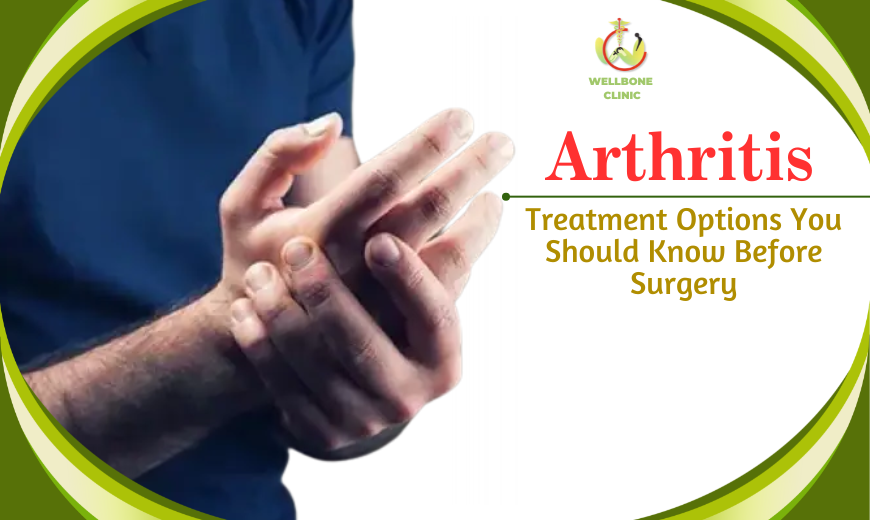
Arthritis refers to inflammation and degeneration of joints, leading to pain, stiffness, swelling, and reduced mobility. The most common type is Osteoarthritis, which occurs due to gradual wear and tear of cartilage over time.
This condition commonly affects the knees, hips, hands, and spine, often making everyday activities such as walking, sitting, climbing stairs, or gripping objects increasingly difficult.
Symptoms of Arthritis
The symptoms usually develop slowly and worsen over time:
Non-Surgical Treatment Options
Before considering surgery, most patients benefit significantly from conservative management strategies:
1. Lifestyle Modifications
2. Medications
3. Physiotherapy
Physiotherapy is one of the most effective long-term treatments:
4. Supplements
5. Injections
In cases where symptoms persist despite basic treatment:
Surgical Treatment
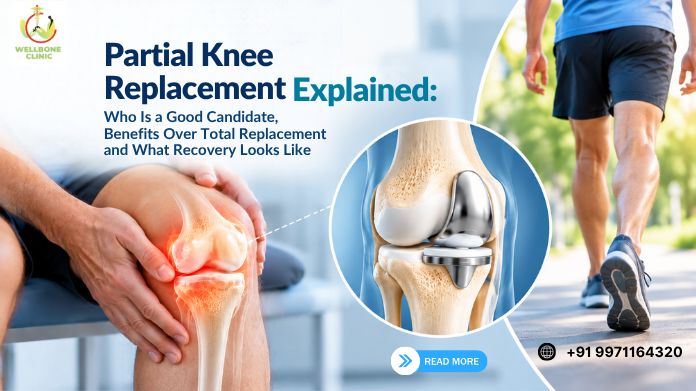
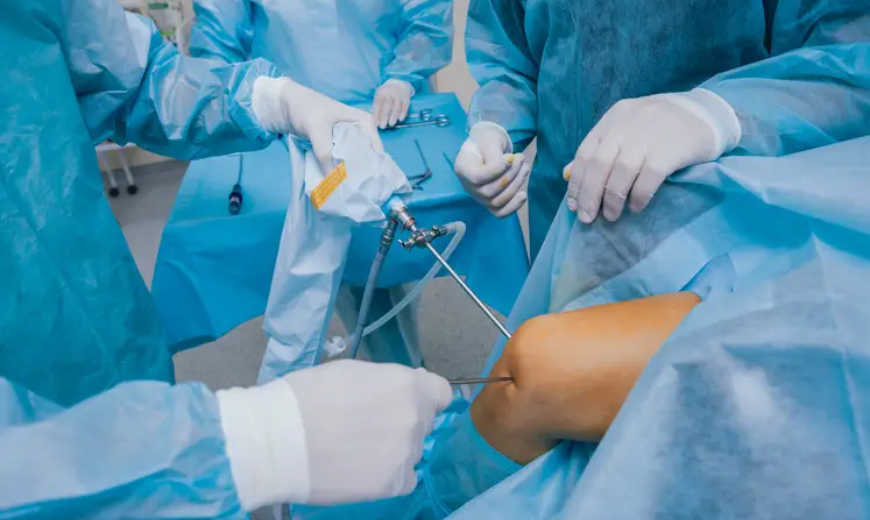
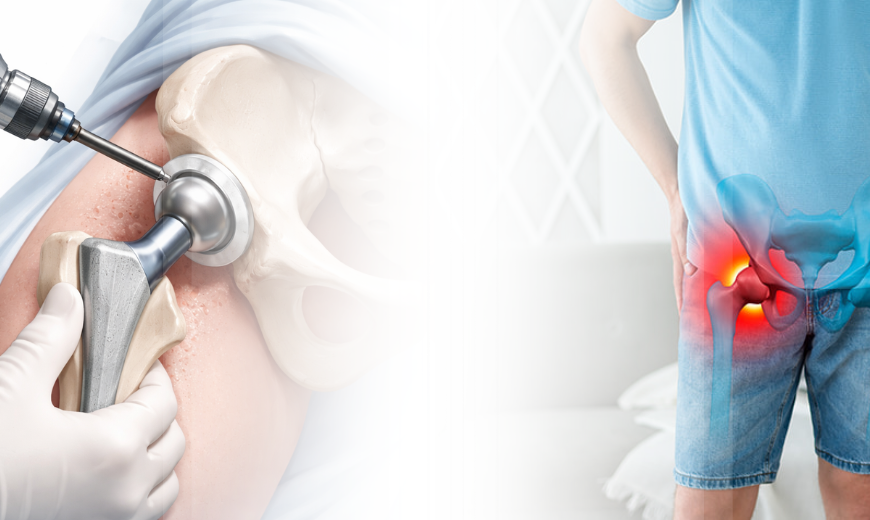
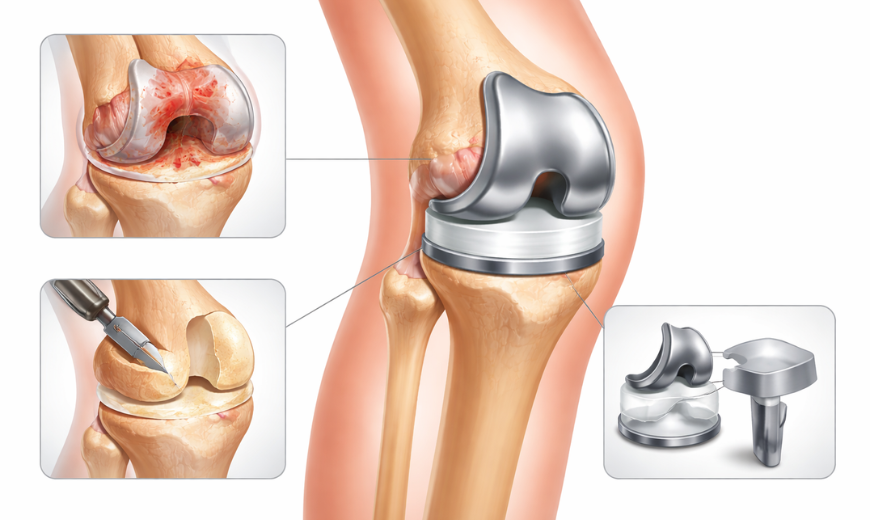
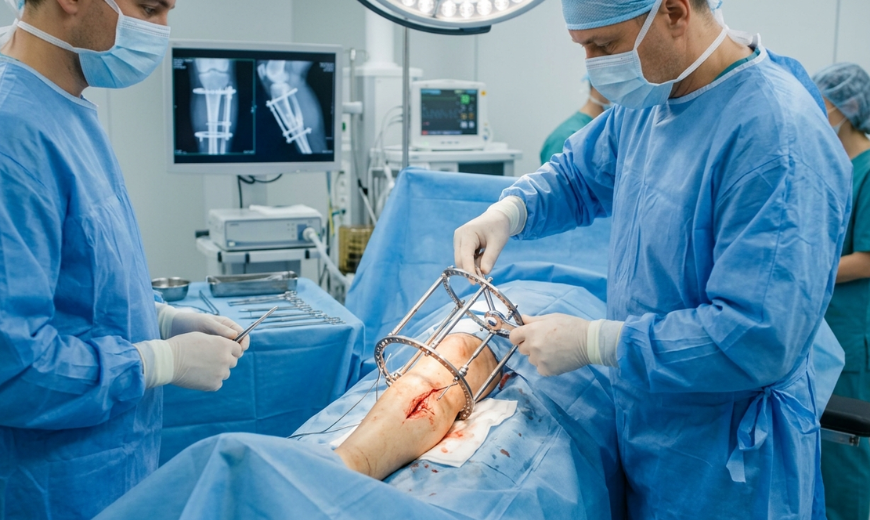
When arthritis becomes severe and significantly affects quality of life, joint replacement surgery may be recommended. This procedure replaces the damaged joint surfaces with artificial implants and is considered one of the most successful and reliable surgeries in modern orthopedics, offering excellent long-term outcomes.
Conclusion
Early and consistent management of Arthritis and Osteoarthritis can significantly delay or even avoid the need for surgery. A combination of lifestyle changes, medications, physiotherapy, and timely interventions can greatly improve pain control and quality of life.





.png)
.png)
.png)
.png)
.png)
.png)
.png)