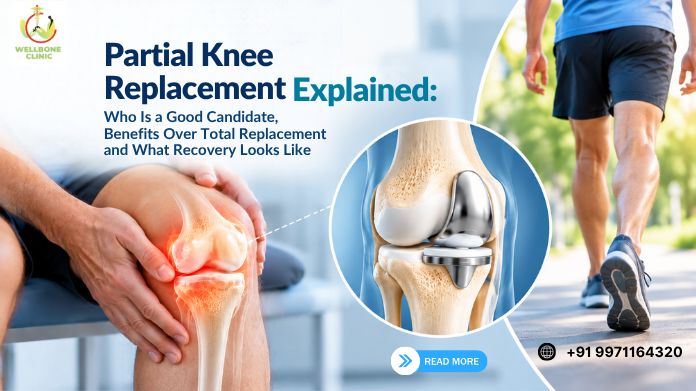



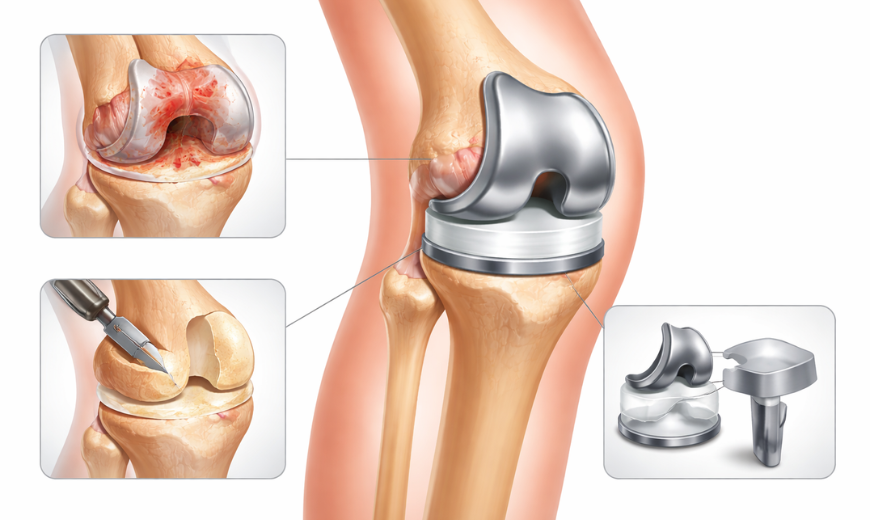
Partial knee replacement, also known as unicompartmental knee replacement, is a modern and highly specialized surgical procedure designed for patients whose arthritis affects only a single compartment of the knee—most commonly the medial (inner) or lateral (outer) side. Unlike total knee replacement, which involves resurfacing the entire joint, this procedure targets only the damaged portion while preserving the healthy bone, cartilage, and ligaments.
Because of this selective approach, partial knee replacement maintains much of the knee’s natural structure and function. The anterior cruciate ligament (ACL) and posterior cruciate ligament (PCL), which are essential for stability and natural knee motion, are typically preserved. This allows patients to experience a more natural-feeling joint after surgery.
Who is an ideal candidate?
Partial knee replacement is best suited for:
- Patients with early to moderate osteoarthritis confined to one compartment
- Individuals with intact ligaments and good knee stability
- Younger or more active patients seeking to maintain a higher level of mobility
- Patients who have not found relief from conservative treatments such as medications, physiotherapy, or injections
Surgical approach
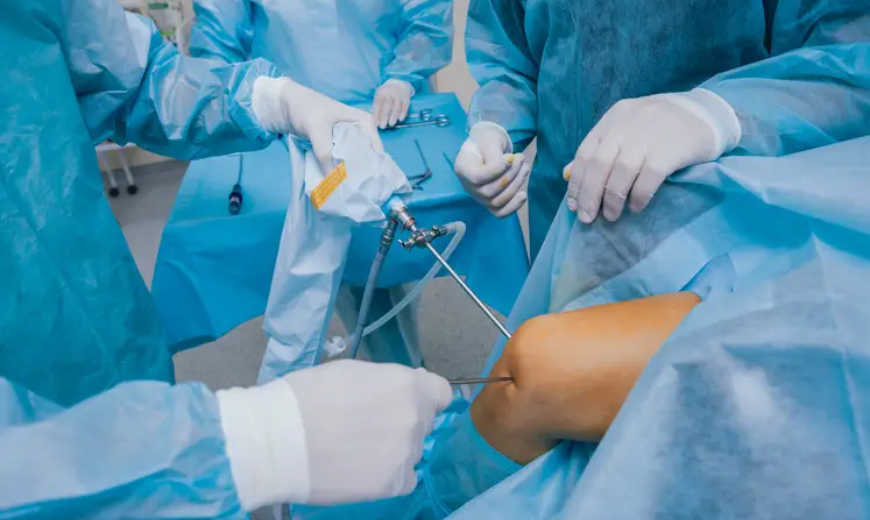
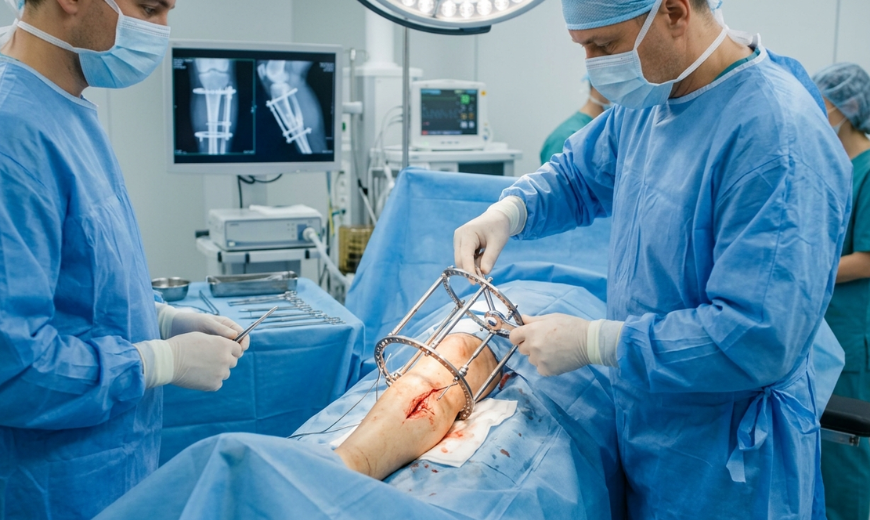
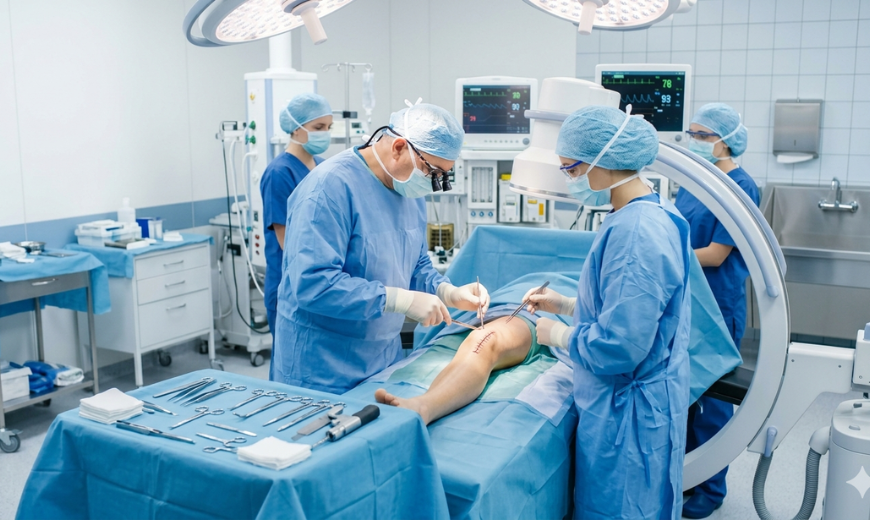
The procedure is minimally invasive compared to total knee replacement. A smaller incision is made, and only the affected compartment is resurfaced using specially designed implants. The surrounding healthy tissues are preserved, resulting in less trauma to the knee.
Key advantages
- Smaller incision and minimal tissue disruption: Leads to less blood loss and reduced surgical trauma
- Faster recovery: Patients often regain mobility sooner and return to daily activities more quickly
- Reduced postoperative pain: Less invasive nature results in a more comfortable recovery
- Better range of motion: Preserving natural structures allows smoother and more natural knee movement
- Shorter hospital stay: Many patients are discharged within 1–2 days, and in some cases, the procedure may even be done on a day-care basis
- More natural knee feel: Since much of the original knee is retained, patients often report that the joint feels more “normal” compared to a total knee replacement
Recovery and outcomes
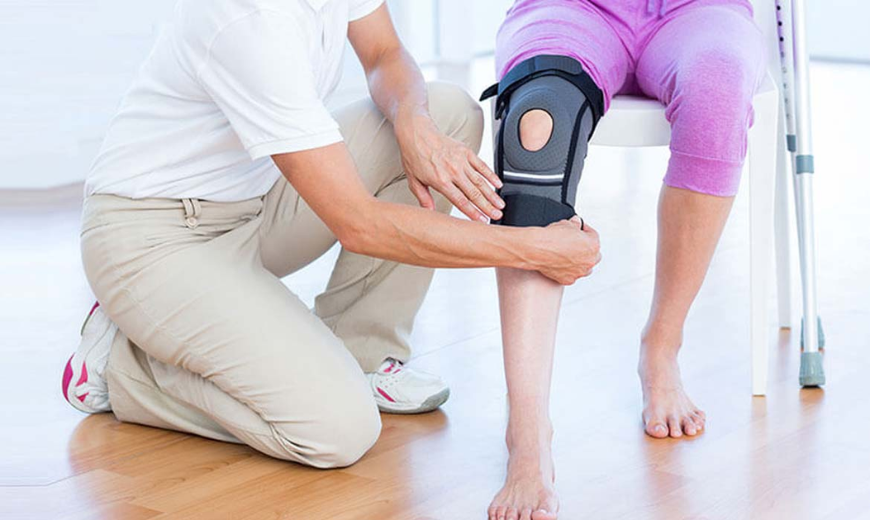
Recovery after partial knee replacement is generally quicker than total knee replacement. Patients typically begin walking with support within a day and can resume light activities within a few weeks. Physiotherapy plays a crucial role in restoring strength and mobility.
Long-term outcomes are highly favorable when the procedure is performed in appropriately selected patients. Many individuals experience significant pain relief, improved function, and high satisfaction rates. Additionally, if arthritis progresses in other parts of the knee over time, a total knee replacement can still be performed in the future if needed.
Overall, partial knee replacement offers an excellent balance between effective pain relief and preservation of natural knee mechanics, making it an attractive option for the right candidates.




.png)
.png)
.png)
.png)
.png)
.png)
.png)